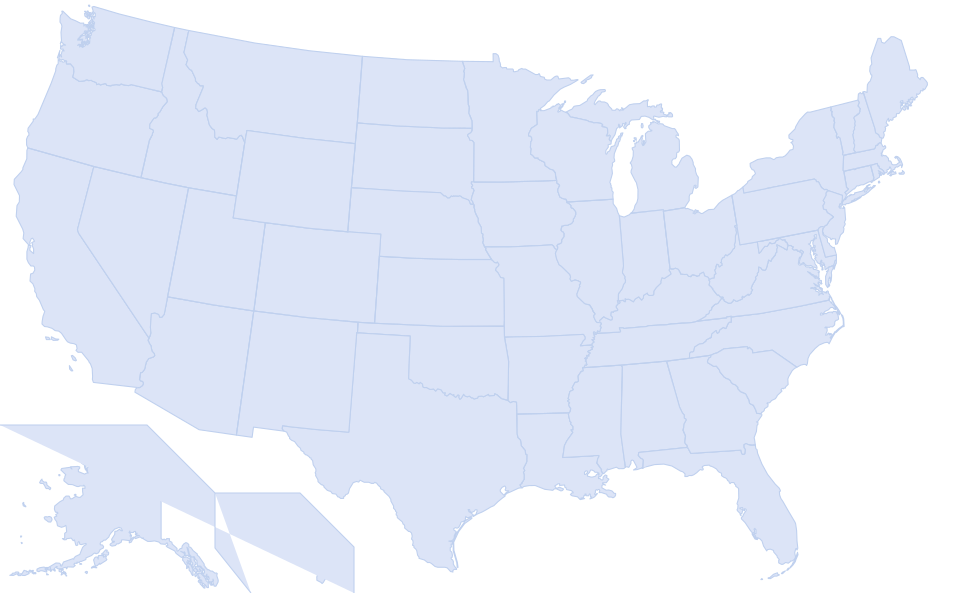



State Entity Filings
Annual reports, biennial statements, initial reports and franchise-related filings.
Formation is just the start. We help you keep state filings, registered-agent coverage and compliance tasks visible, so you spend less time wondering what comes next.
Business compliance means keeping up with the state, federal and local requirements that apply to your entity, location, industry and activities: recurring state reports, taxes, registered-agent coverage, licenses and permits, records, entity updates and employer obligations.
Quick answer: there’s no single national compliance checklist. What applies depends on your business structure, the states you operate in, your licenses, whether you have employees and the taxes or regulated activities involved.
A business can be properly formed and still fall out of compliance later. Missed filings, taxes, licenses or updates can lead to penalties, lost good standing or the need for reinstatement.
Requirements come from several authorities, not one recurring form.
Annual reports, biennial statements, initial reports and franchise-related filings.
An eligible agent and office in each state where you’re registered.
Federal, state, county, city or industry licenses and their renewals.
Income, employment, sales, excise or other taxes that apply.
Amendments for name, address, management or ownership changes.
Minutes, bylaws, operating and ownership records, permits and tax records.
Payroll taxes, employee records and workplace notices where they apply.
Foreign qualification, agents, filings, taxes and licenses in other states.
Ongoing compliance as one visible process, not a pile of separate deadlines.
Step 1 of 5
Annual or biennial reports, franchise taxes, registered-agent rules and licenses all vary by state: the filing name, due date, fee and the result of missing it.
An annual report, biennial statement or Statement of Information, sometimes tied to a franchise tax.
Explore Annual ReportsLosing coverage or letting the office details go stale can mean missed official notices.
View Registered AgentLicenses depend on your activity and location, and many expire or need renewing.
View Business LicensesSee what applies in your state
Depending on your business, these taxes can apply:
Tax filing is a separate service from compliance support. It depends on your entity, income, employees, sales and location.
Explore Tax & AccountingKeep employment-tax records for at least four years.
These changes can need an amendment or a separate state filing:
Forming in one state doesn’t cover you everywhere. Another state can mean foreign qualification, a registered agent there, tax registrations, local licenses and recurring filings.
View Foreign QualificationYour calendar should reflect where you formed, where you operate, whether you have employees and your licenses.
Owning from abroad doesn’t remove U.S. compliance obligations. The company can still have:
What’s current, what’s coming due and what needs your action. Select a tile to see what it shows.
Business Compliance Example
Upcoming Deadlines: Annual report in 43 days, registered agent renewal in 71 days.
The business is current with the state requirements that affect its status: recurring filings, taxes, fees or registered-agent coverage. Only the state issues the official status, and a dashboard is never a substitute for it.
Get Compliance Help| Problem | Possible next step |
|---|---|
| Missed annual report | Late filing, plus a state fee or penalty where it applies |
| Registered agent issue | Update the agent or office details |
| Suspended or forfeited entity | Reinstatement or revival |
| Past-due taxes or returns | Tax filing or payment resolution |
| Outdated company details | Amendment or state information update |
| Unregistered in another state | Foreign qualification review |
Not sure what your business needs? Ask what’s included before you buy.
Formation, registered agent, annual reports, business changes, tax support and the client portal, connected.
Business compliance means meeting the state, federal and local requirements that apply to your entity, location, employees, licenses, taxes and business activities.
No. Formation creates the entity. Ongoing filings, taxes, registered-agent requirements, licenses and other obligations can continue after formation.
Depending on the state, your business may have annual reports, biennial statements, Statements of Information, franchise-related filings, initial reports or other recurring requirements.
LLCs and corporations generally need to keep a registered agent in each state where they are registered.
Possibly. Licenses and permits depend on the business activity and location. Forming an entity doesn’t automatically meet licensing requirements.
Good standing generally means the entity is current with the state requirements that affect its official status. Exact requirements vary by state.
The same LLC can operate in several states, but it may need foreign qualification, registered-agent coverage, taxes, licenses and recurring filings in each additional state.
Foreign qualification is the registration an entity formed in one state completes to do business in another state.
Keep records that support business transactions, taxes, ownership, governance, licenses, payroll and other important activity. Retention periods vary by record type.
The IRS says employment-tax records should generally be kept for at least four years.
It depends on the state and the filing. Possible outcomes include late fees, penalties, loss of good standing, suspension, administrative dissolution or a later reinstatement requirement.
No. Some states allow certain updates through a recurring report, while other changes need separate amendments or forms.
Many licenses and permits have renewal periods. The schedule depends on the issuing federal, state, county, city or professional authority.
Yes. Federal, state and local taxes can be part of keeping a business compliant, but tax filing is a separate service area and depends on the business’s facts.
The core state entity requirements still apply, and foreign ownership can create extra federal tax or information-reporting questions depending on the entity and its transactions.
No provider can responsibly guarantee every legal, tax, license and filing obligation without the complete business facts. We define the requirements we track and the services included in your plan.
No questions match that search. Ask our team
Related reading: Annual Report Deadlines LLC Checklist Texas Closing Case Amendments Name & Address Change Reinstatement
Tell us where your business is registered and the services you already have. We’ll help organize the next state filing, registered-agent requirement or compliance task that applies.
Requirements vary by state, location, entity type, industry and activity.